Jenn Huynh: Make Connections With Transparency And Vulnerability
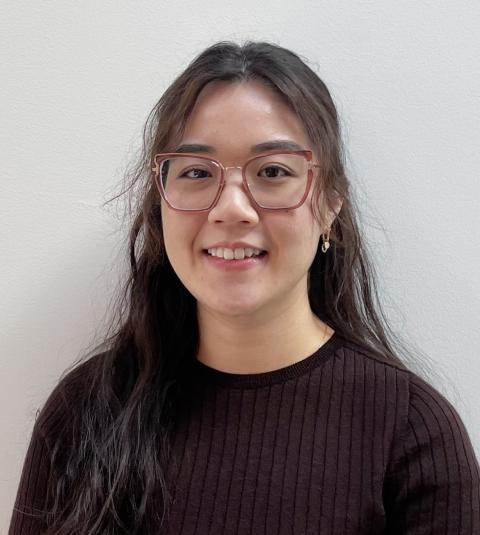
By: Jenn Huynh, PharmD, MBA, PGY1 Managed Care Resident
Imposter Syndrome can be your greatest ally
As individuals who have gone through rigorous training to become pharmacists, there is no question that we all embody the high-achiever mindset. The caveat to this quality, however, is that we often find ourselves in situations filled with unknowns, because that is precisely where the most growth and opportunity exist. It is only natural that we would become familiar with the feelings of Imposter Syndrome, especially in a residency training program where we are taking on brand new learning experiences every day. Even the VP of our team has acknowledged that the feelings of Imposter Syndrome never fully go away, no matter where you may find yourself in your career, and that is completely okay.
According to Merriam-Webster, Imposter Syndrome is defined as “a psychological condition characterized by persistent doubt concerning one’s abilities or accomplishments accompanied by the fear of being exposed as a fraud despite evidence of one’s ongoing success.” Whenever doubt creeps in, I try to hold onto that last part of the definition: there is evidence of my ongoing success, and that is why I am here at this residency program. I feel doubt because I care about the work I am doing, the impact I can make, and how well I am delivering.
By shifting the narrative slightly, Imposter Syndrome could become your greatest ally. Instead of letting it spiral into endless self-doubt, try reframing it: “I am not confident in this yet, but I care enough to get better, and I have people around me with the experience to help me grow.” With that shift, Imposter Syndrome is no longer a source of paralysis. It becomes an invitation for self-reflection, action, and growth.
Make connections with transparency and vulnerability
"Pharmacy is a small world." We have all heard this said as an encouragement to network and put yourself out there. But from a student or resident's perspective, it can sometimes carry a bit more weight than intended, creating a subtle pressure to curate how you present yourself and hold back the questions you are afraid might make you look less capable. In trying to appear polished, you can end up hiding the very things that make you memorable. What my residency year has taught me is that the most powerful connections are not built on perfection, they are built on transparency and vulnerability. And far from undermining your professionalism, that openness is what elevates it.
Some of the most meaningful relationships I have built this year have been with people I once would have found intimidating, such as VPs, directors, and senior leaders within my organization and beyond. In the past, I would have been hesitant to share my struggles with them, afraid it would signal that I did not belong. But the deepest connections formed not when we talked about work, but when we talked about life and the moments that shaped us into who we are today.
When you take the time to truly know someone and share your own journey in return, you are communicating something a résumé never could, that you are not just a capable professional, but a resilient and self-aware person. You are also giving others the space to be human, which opens the door to mentorship and the kind of honest guidance that only comes from someone who has lived through it.
So, network for your career but connect for your growth because in our field, the two are inseparable. At the end of the day, we are all working toward the same goal of ensuring a sustainable and accessible healthcare system. The connections we build and the growth we invest in along the way are not just good for us but also for the individuals and communities we are all here to serve.